Evidence of Implementation also known as “EOI” is a critical part of applying for CTPAT as well as completing annual reviews and preparing for validations. EOIs are essentially the proof that your company is actively adhering to the CTPAT Minimum Security Criteria. They show CBP that your policies are not just written down but are actually carried out in your business operations every day.
If you’re unsure what an EOI is, a great example that applies to almost all companies is a Visitor Log. CBP wants to see that you have a secure and consistent process for allowing visitors into your facility and that every visit is properly documented. For the Visitor Log EOI this shows that visitors have their ID verified and that all details of their visit are being recorded. When EOIs are missing, incomplete, or incorrect it can raise concerns about whether a company is truly CTPAT compliant. In many cases this leads to follow up questions or program rejection that can create additional time and work to correct.
As a CTPAT consultant working closely with companies during applications, annual reviews, and validations, there are a few mistakes that come up time and time again. The good news is that all of them are preventable with the right awareness, training, and preparation.
📝 Incomplete Forms and Missing Information
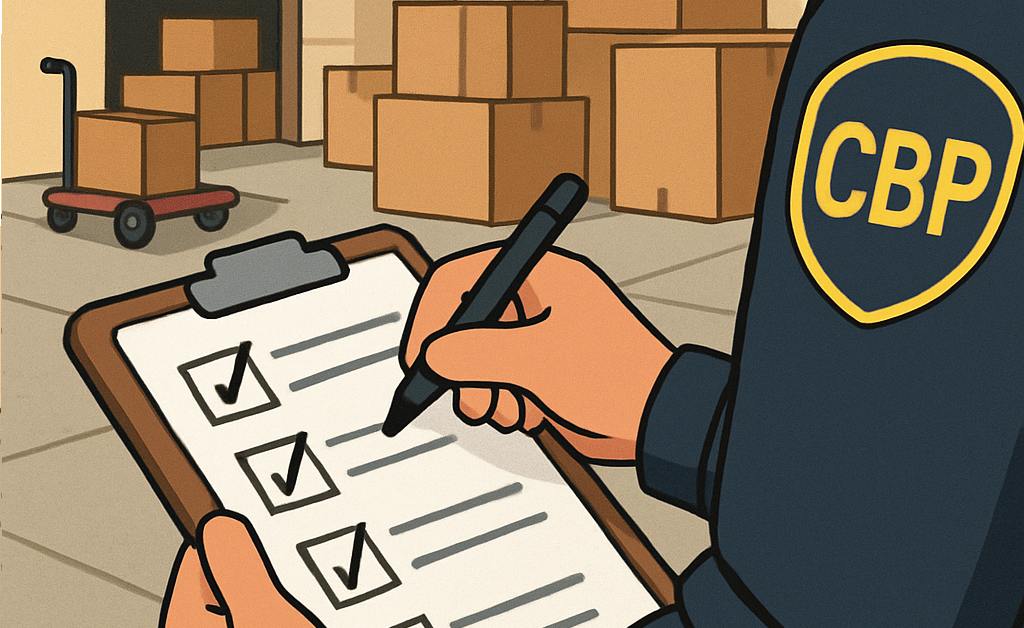
One of the most common issues is submitting forms that are not fully completed. This might include a missing signature, an unchecked box, a missing date, or a blank required field. Even small oversights can lead to a rejection by your Supply Chain Security Specialist during a review or validation.
Submitting blank forms as examples also does not meet the expectations for an EOI. EOIs must show real activity and real compliance. This issue often appears on Visitor Logs or Cargo Pickup Logs when key fields such as time out are left blank. Without that information, a company may not be able to verify when a visitor left the facility, which can be viewed as a security gap. A simple way to avoid this is through comprehensive CTPAT employee training and clear instructions on how to complete each form correctly.
⏰ Submitting EOIs That Are Not Current
Another common mistake is providing EOIs that are outdated. It is always best to submit the most current EOI available. Sometimes a Supply Chain Security Specialist may not review your submission for several weeks. If the EOIs were already a month or two old at the time of submission they may be considered outdated by the time they are reviewed.
It is also important that EOIs match the frequency stated in your policies. For example, if your policy states that IT security scans are conducted quarterly then your EOI should clearly reflect those quarterly activities including dates and the employee who performed them. In some cases, your operation may not perform certain activities often enough to have a recent EOI. For example, if your company loads ocean containers only a few times a year you can still submit the most recent inspection form and clearly note that it is the latest available.
📂 Not Providing Enough Supporting EOIs
Providing too few EOIs is another issue that often leads to rejection. Submitting one, two, or no EOIs at all will not demonstrate a compliant, secure supply chain and facility. Every applicable section of the CTPAT Minimum Security Criteria should be supported by evidence.
If your company operates a warehouse or handles cargo, you should be prepared to submit all relevant cargo related EOIs such as cargo pickup logs and truck or container inspection forms. If you do not handle cargo directly, it is important to keep your business partners who are involved and informed. In these situations, communication is key. Let your partners know what CTPAT requires and consider sharing templates if they do not already have compliant forms.
During validations or annual reviews, an SCSS may request cargo related EOIs from your business partners if your company is not physically handling the cargo. Review the documentation your business partners provide and ensure everything is complete, accurate, and compliant before submitting. Even though your company did not complete the document, it is still your responsibility to ensure it meets CTPAT expectations.
🚀 Set Yourself Up for CTPAT Success
These are just a few of the most common mistakes companies make when submitting EOIs for CTPAT reviews. The strongest defense against all of them is consistent training and clear processes. When employees understand why CTPAT policies and processes matter and how to complete them correctly your company stays prepared at all times.
Here at Veroot our experienced CTPAT consultants work with you to identify which EOIs apply to your business operations, provide templates and guidance, and review your documentation before submission to ensure it aligns with CTPAT Minimum Security Criteria. This preparation helps you stay confident whether you are applying completing an annual review or preparing for an onsite validation. If you are ready to make CTPAT compliance easier and more efficient we would love to help.
Browse our website for more information on CTPAT, or request a demo now.



 Sarah Velazquez : Mar 16, 2026, 4:24:53 PM