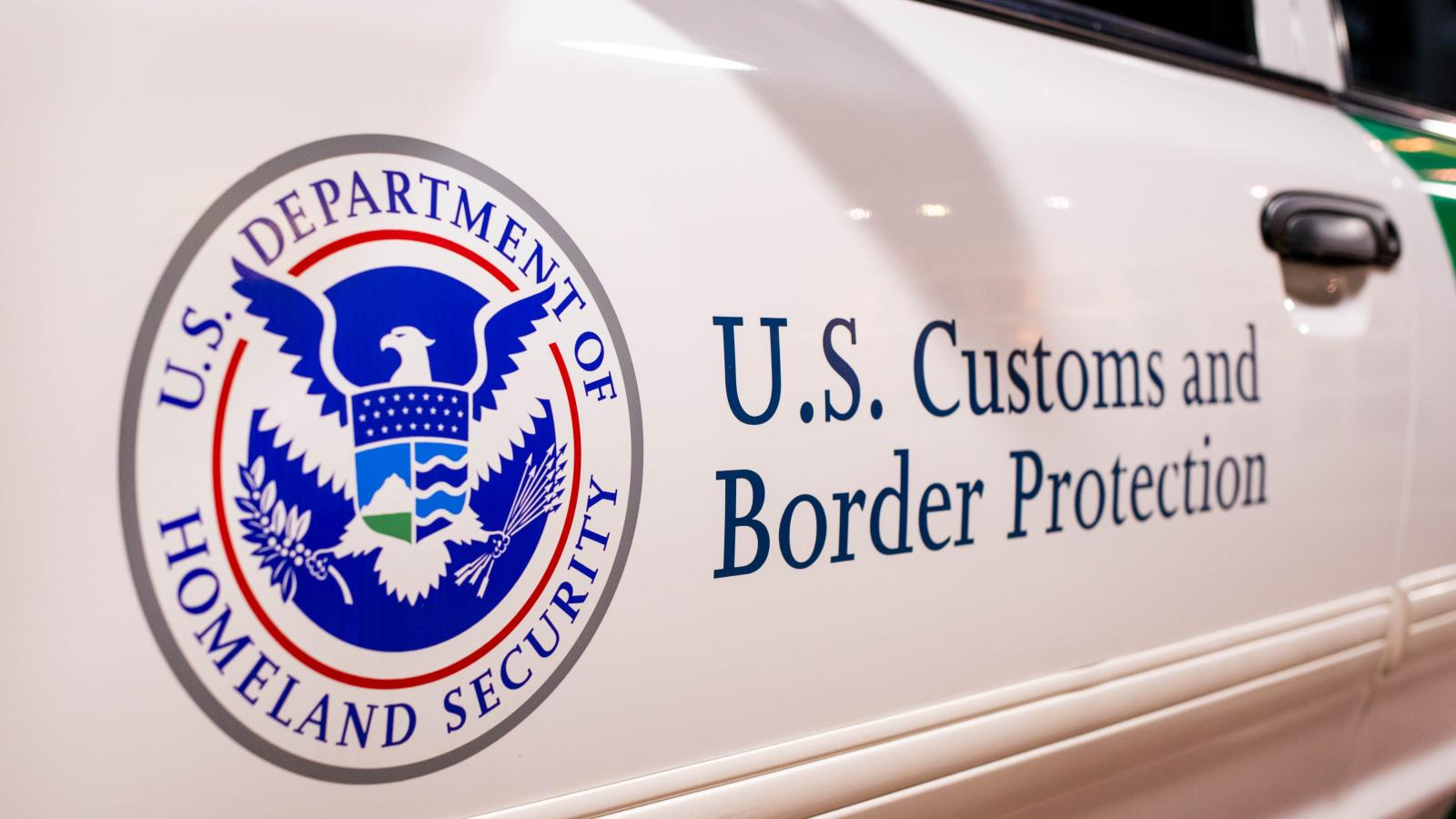
Navigating the world of international trade comes with its fair share of complexities—especially when it comes to securing your supply chain. That’s where CTPAT (Customs Trade Partnership Against Terrorism) comes in. As one of the most recognized security programs in global commerce, CTPAT offers importers, exporters, carriers, and logistics providers a way to strengthen their operations while gaining significant trade advantages.
But if you’re just getting started, the process can feel overwhelming. What is CTPAT really about? Who can apply? What are the benefits and the responsibilities? Whether you’re a first-time applicant or just exploring if the program is right for you, this FAQ guide breaks down the most common questions we hear from companies starting their CTPAT journey.
General Program Questions
1. What is CTPAT and why should my company join?
CTPAT is a voluntary supply chain security program led by U.S. Customs and Border Protection (CBP). Membership can help:
• Reduce the number of CBP Inspections
• Expedite border crossings.
• Help you get clients because they require you to be CTPAT Certified!
• Priority processing and “front of the line” treatment
• Access to the CTPAT portal and network
• Eligibility for other U.S. programs (e.g., Free and Secure Trade - FAST)
• Enhanced reputation with clients and business partners by demonstrating commitment to supply chain security.
2. Is CTPAT mandatory?
CTPAT is a voluntary program, yet over 51% (and growing) of all international cargo moves through CTPAT channels. More and more business partners and supply chain stakeholders will only work with CTPAT certified companies.
3. Who can apply for CTPAT?
U.S. based Importers, Exporters, Consolidators/Freight Forwarders, Carriers (air, sea, and land), Customs brokers, Marine Port Terminal Operators, Mexican Long Haul Carriers, some Third Party Logistics Providers, and certain Foreign Manufacturers can apply.
4. Is there an application fee or membership fees to apply for CTPAT?
The CTPAT program is free to apply and there aren’t any membership dues. However, it is challenging to meet the documentation standards and get certified - that's where Veroot can help!
5. Can our company still join if we do not have an office location and work remote 100% of the time?
Companies that work full time remotely in the U.S. are eligible for CTPAT.
6. Our company is very small, only 2 employees, can we still apply?
Company size is not a requirement for CTPAT Certification, and small companies can be certified if they meet the rest of the requirements.
7. Can companies that do not physically handle, store or load cargo be CTPAT certified?
It is not a requirement that the company physically handle, store or load cargo for Importers, Exporters, Consolidators and Customs Brokers. The handling of the cargo can be outsourced to a third party.
Minimum Security Criteria
8. What are the Minimum Security Criteria (MSC)?
These are CBP’s baseline security requirements tailored to different business entity types (e.g., importers, highway carriers, exporters). They include security in areas of the cargo supply chain, conveyance, seals, physical security, personnel security, access controls, and cybersecurity.
9. How can we ensure we meet the MSC?
Conduct a gap analysis or internal audit before applying. Many companies will hire a CTPAT expert (like Veroot) to help with compliance and documentation.
10. Do we have to meet all MSC before applying for CTPAT or can we put them in place after we are certified?
All MSC must be fully implemented before applying for CTPAT. If an application is submitted prior to having the MSC in place, CBP will reject the application. A company may need to enhance your procedures before applying. Many companies conduct internal audits or hire consultants to prepare.
11. Will my company be audited or inspected after applying?
CBP will perform an in person validation visit within the first year after approval to ensure your security measures are in place and functioning.
Maintenance & Responsibilities
12. What are my responsibilities after becoming a CTPAT member?
- Maintain and update your security profile annually
- Train employees on CTPAT security procedures
- Respond to CBP inquiries
- Stay updated on program changes
- Notify CBP of any major operational changes
- Send Security Questionnaires to your Business Partners
- Conduct a 5-step risk assessment.
- Participate in periodic revalidations (typically every 4 years)
For businesses entering the world of CTPAT, understanding the basics is essential. Whether you're preparing to apply or just exploring your options, Veroot can assist in your CTPAT journey from the initial application process to long-term compliance.
For more information or to request a demo, visit Veroot's website at www.veroot.com/ctpat




 Sarah Velazquez : Mar 16, 2026, 4:24:53 PM